Say Hello!
Sign In

What to eat before a trek
What to eat before going for a Himalayan trek for proper nutrition?
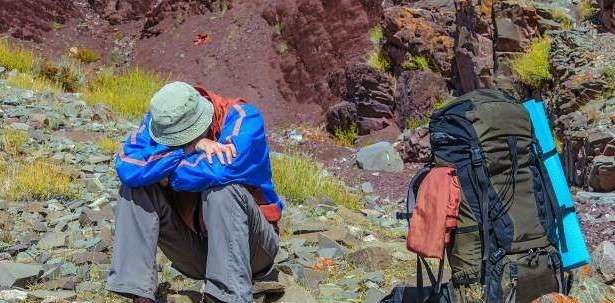
If life gives you a mountain put on your boots and hike, but is that enough? Trekking or hiking is a fun yet an adventurous sports activity. Mentally you may be all set to conquer the mountains but if you are not physically fit enough it may be exhaustive and stressful. Just the way you check your car fuel before you start your journey, it is important to fuel up your body before you start your mountainous journey.
At higher altitude, your body undergoes physiological changes to keep you going. It tries to modify or adapt physiologically when faced with hot or cold tempratures coupled with falling oxygen saturation as you climb up. Accordingly your nutrient requirement changes accompanied with metabolic adaptations.
There are few blood parameter checklists that should be checked especially if you are a first timer. Do check your Hemoglobin levels, Complete Blood Count, Lipid profile, Vitamin D levels and Blood Pressure, 20-25 days prior to going for the trek. Also, it’s always good to keep your weight in check i.e. within the BMI cut off less than 27. Your good nutritional status can help you acclimatise to changing weather conditions at higher altitudes.
Few handy tips to ensure good nutritional status prior trek:
- Trekking or hiking is a high intensity adventurous activity. Therefore, Carbohydrate loading before trek allows to maintain your glycogen stores which improves your endurance and enables you to hit the finish line. A high carbohydrate diet 4-7 days prior trek will beneficial and maintain your glycogen stores above the normal capacity.
- Indian diets are generally deficient in proteins. Good quality protein in the form of dals, nuts, curd and paneer for vegetarians should be consumed adequately where as non-vegetarians can boost themselves with eggs or lean meat.
- Micronutrient which means vitamins and minerals should be supplemented under doctors/nutritionists prescription. Also, ensuring inclusion of fruits, vegetables and nuts, milk products can help you meet your requirements.
- Maintain adequate hydration as per your body weight. Thirst is not the best indicator of hydration status. Apart from humble water, lemon water, coconut water, buttermilk can help you maintain your hydration status. Good hydration status helps in smooth journey and proper body temperature regulation. Consumption of alcohol, cold drinks, caffeinated beverages prior or during trek should be avoided.
Prep up your body before trek rather than during trek. Conditioning your body with proper diet and moderate level exercises can make your way up the slope way easier. Start preparing for the trek at least a 2 weeks prior by good dietary habits and physical activity. A combination of cardio, functional training and pranayam will do wonders and ease your path. Try incorporating these few tips into your routine and you shall surely have happy trekking days!!
by Nisha Salian
Registered Clinical Nutritionist and Certified Yoga Coach RYT (300),CDE
Founder – Healthsutra
Book a Trek with us and get a free consultation from our nutritionist.
Mail us at nutritionist_@_trekmunk.com (Without underscore)
Related Trek
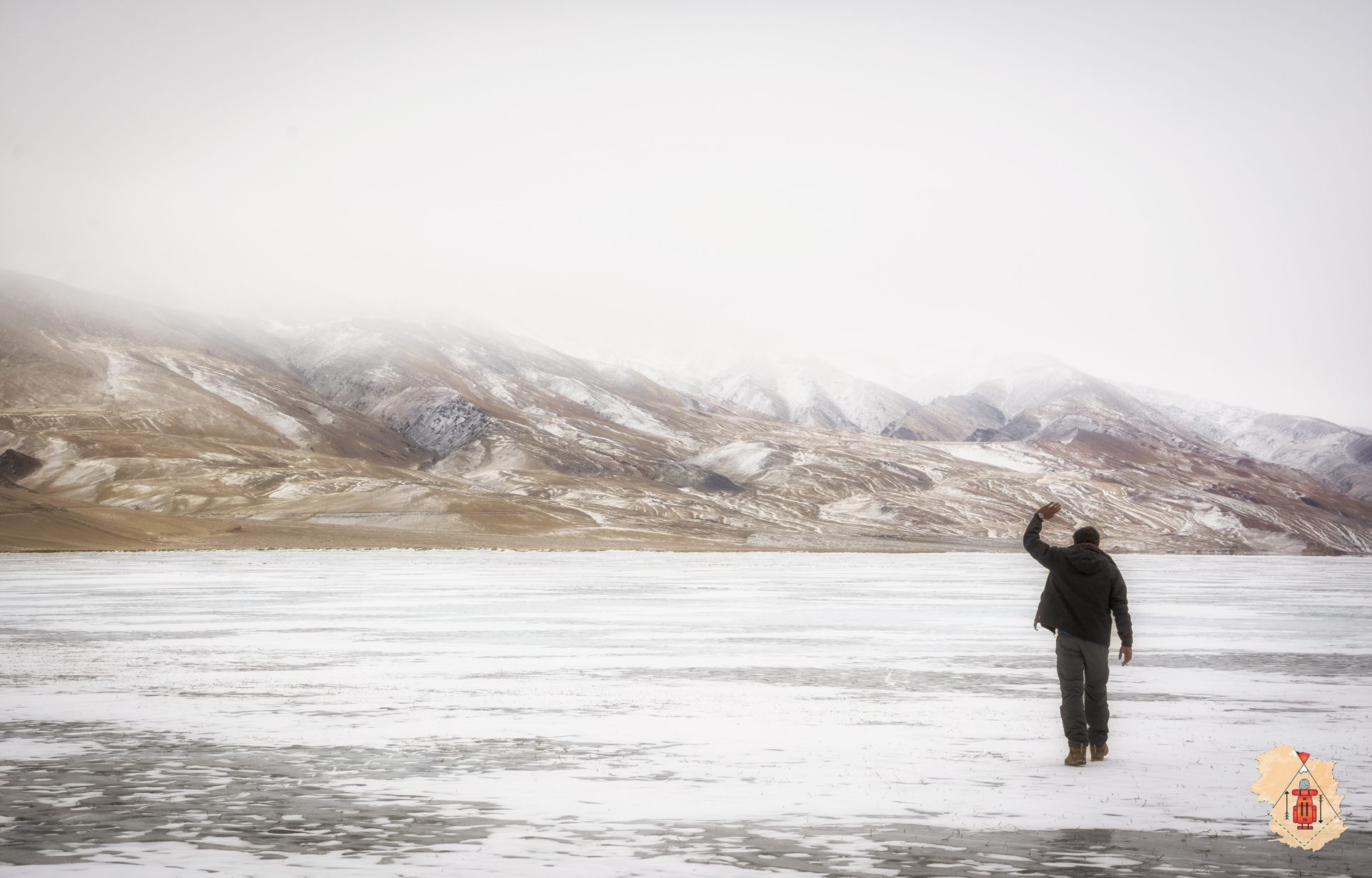
11 Days
USD 720 / INR 52,650/-
USD 720 / INR 52,650/-
Location : Ladakh
Difficulty : Difficult
Best time : June-Sept
Difficulty : Difficult
Best time : June-Sept
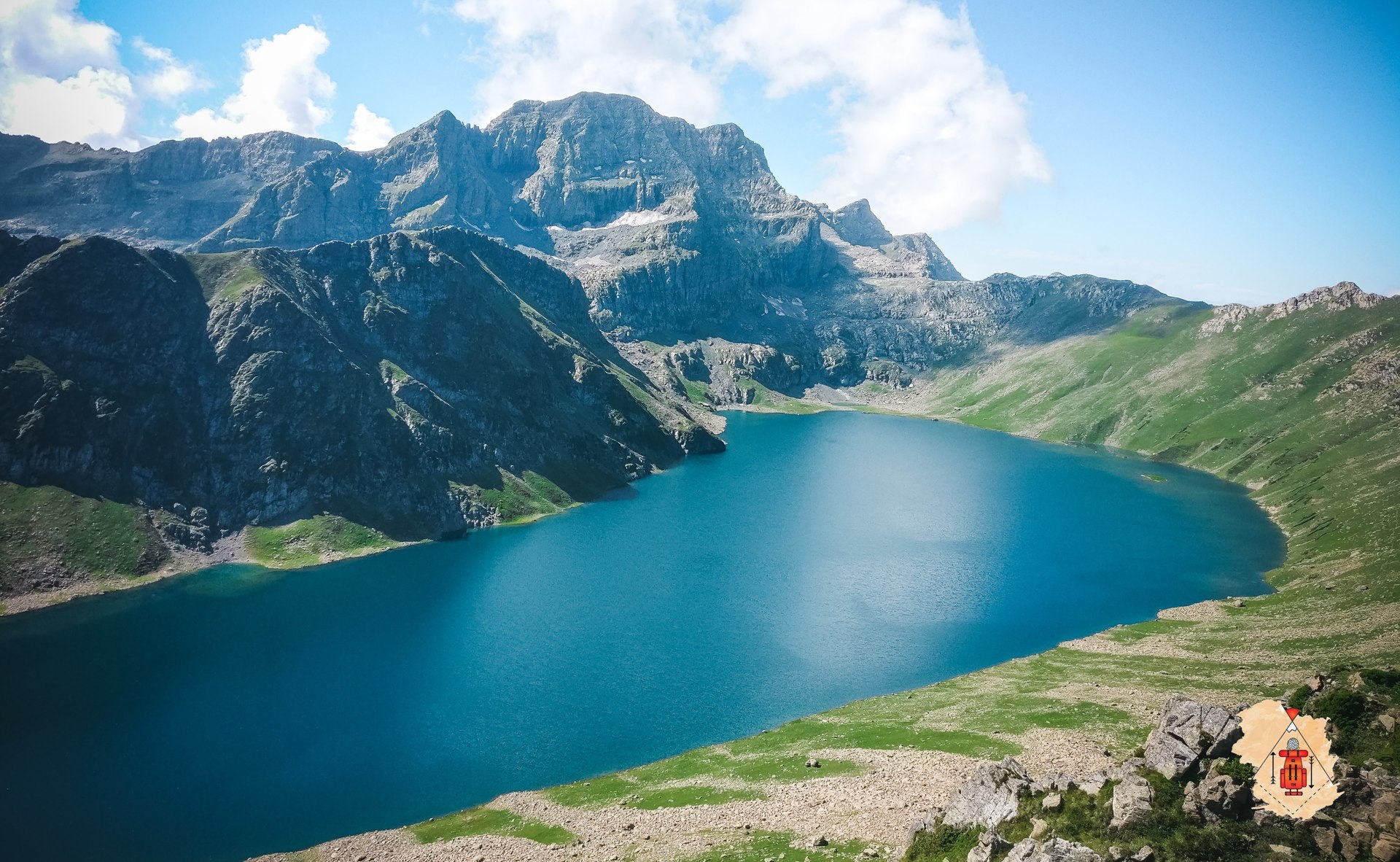
9 Days
Location : Kashmir
Difficulty : Moderate
Best time : July-Oct
Difficulty : Moderate
Best time : July-Oct
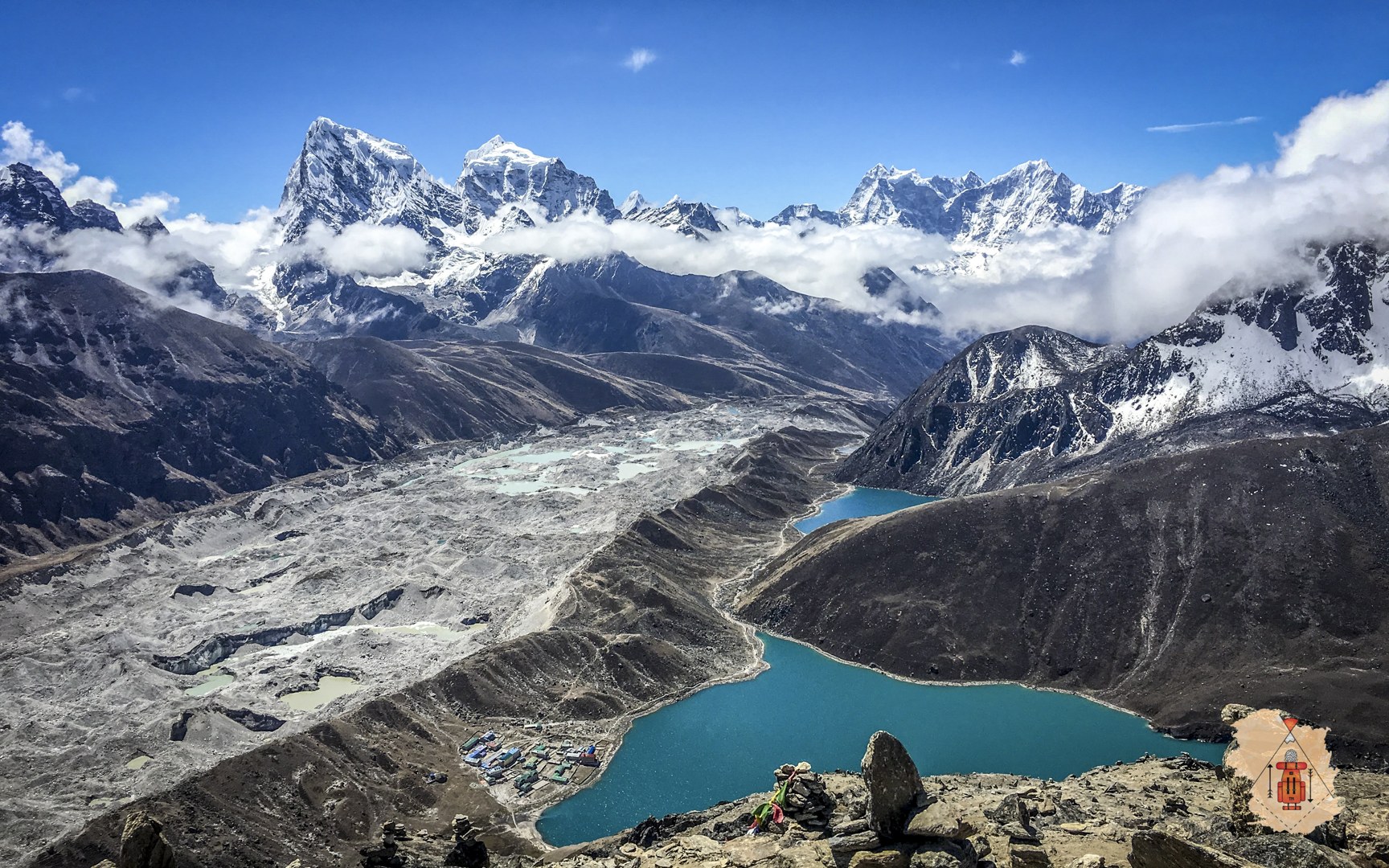
18 Days
USD 1200 / INR 85,000/-
USD 1200 / INR 85,000/-
Location : Nepal
Difficulty : Difficult
Best time : March-May, Sept-Oct
Difficulty : Difficult
Best time : March-May, Sept-Oct
13 Days
USD 1030 / INR 75,000/-
USD 1030 / INR 75,000/-
Location : Himachal Pradesh
Difficulty : Difficult
Best time : May-Oct
Difficulty : Difficult
Best time : May-Oct
16 Days
USD 1030 / INR 75,550/-
USD 1030 / INR 75,550/-
Location : Sikkim
Difficulty : Difficult
Best time : March-May, Sept-Oct
Difficulty : Difficult
Best time : March-May, Sept-Oct
12 Days
USD 980 / INR 72,500/-
USD 980 / INR 72,500/-
Location : Uttarakhand
Difficulty : Ultimate Difficulty
Best time : May-June, Sept-Oct
Difficulty : Ultimate Difficulty
Best time : May-June, Sept-Oct
7 Days
USD 480 / INR 34,500/-
USD 480 / INR 34,500/-
Location : Ladakh
Difficulty : Moderate to Difficult
Best time : July-Oct
Difficulty : Moderate to Difficult
Best time : July-Oct
9 Days
USD 450 / INR 31,450/-
USD 450 / INR 31,450/-
Location : Himachal Pradesh
Difficulty : Difficult
Best time : May-June, Sept-Oct
Difficulty : Difficult
Best time : May-June, Sept-Oct
5 Days
USD 160 / INR 9,950/-
USD 160 / INR 9,950/-
Location : Himachal Pradesh
Difficulty : Moderate
Best time : July-Sept
Difficulty : Moderate
Best time : July-Sept
Related Blogs
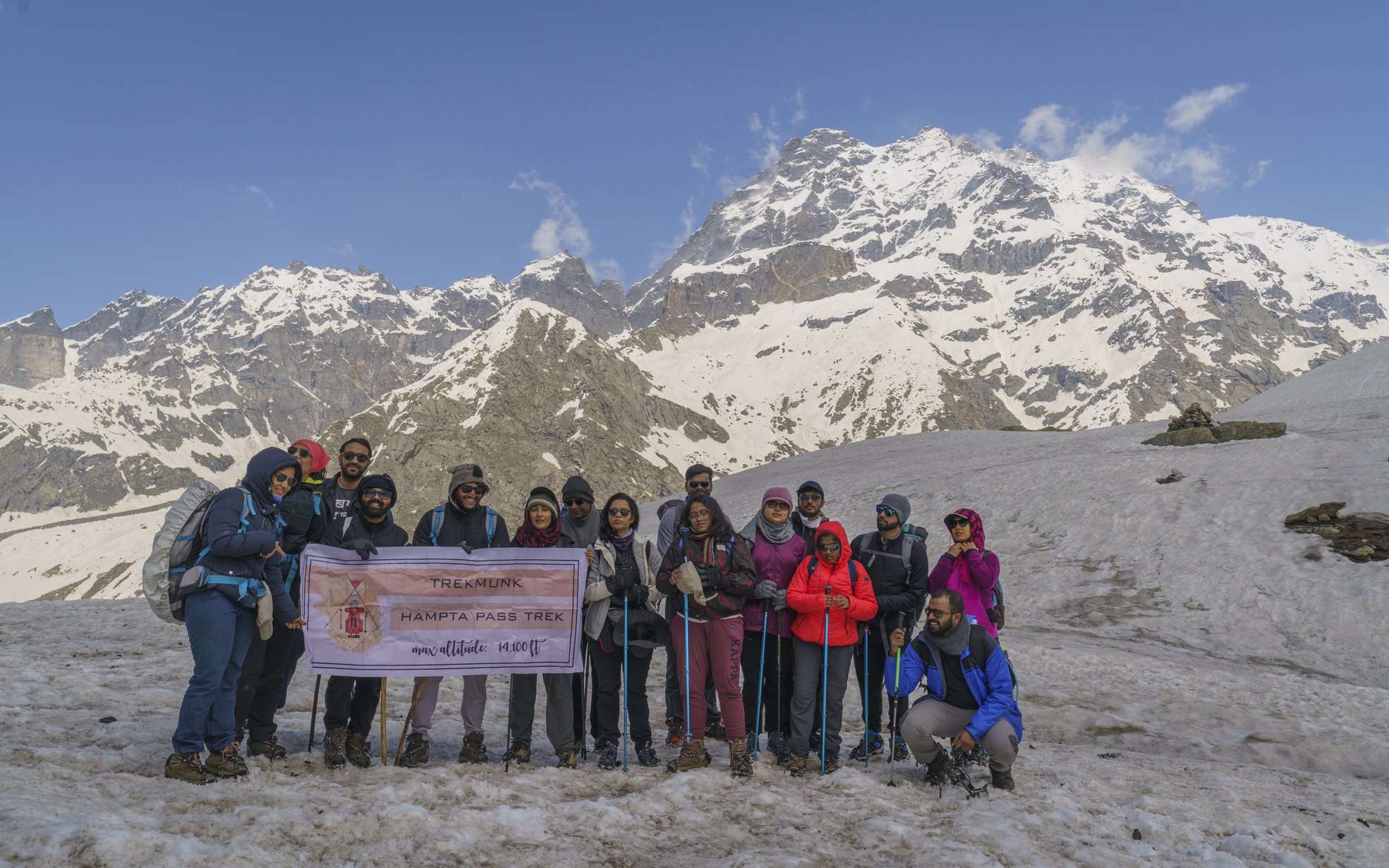
If you’ve ever been trekking in Manali, you understand why it is the most sought after destination for adventure. And it may come as no surprise that the Hampta Pass trek & Chandratal in Manali is a favorite amongst trekkers, both beginners as well as experienced. Spiralling out of the verdant Kullu valley, the trail
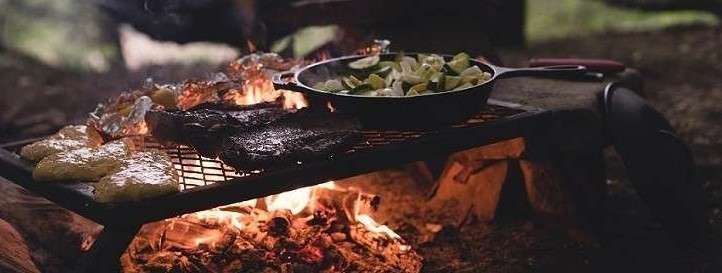
A trekking experience is one of the most beautiful experiences one can be a part of and it will be unfair if it gets ruined due to something that is as mere as consumption of preserved non-vegetarian.
It is astounding to observe how human beings always find their way out of situations or problems. We really make through the thick and thins, if we remain determined and use our intellect.
Now who would want to deny travelling to the ravishing beauty of the Himalayas, the calm winds of Ladakh or beyond the border somewhere in the alluring Mount Elbrus in Russia.
Manners maketh a man. And well, when you live under one roof, there are some little things that one must keep in mind so as to not cause any inconveniences to oneself or the others around.
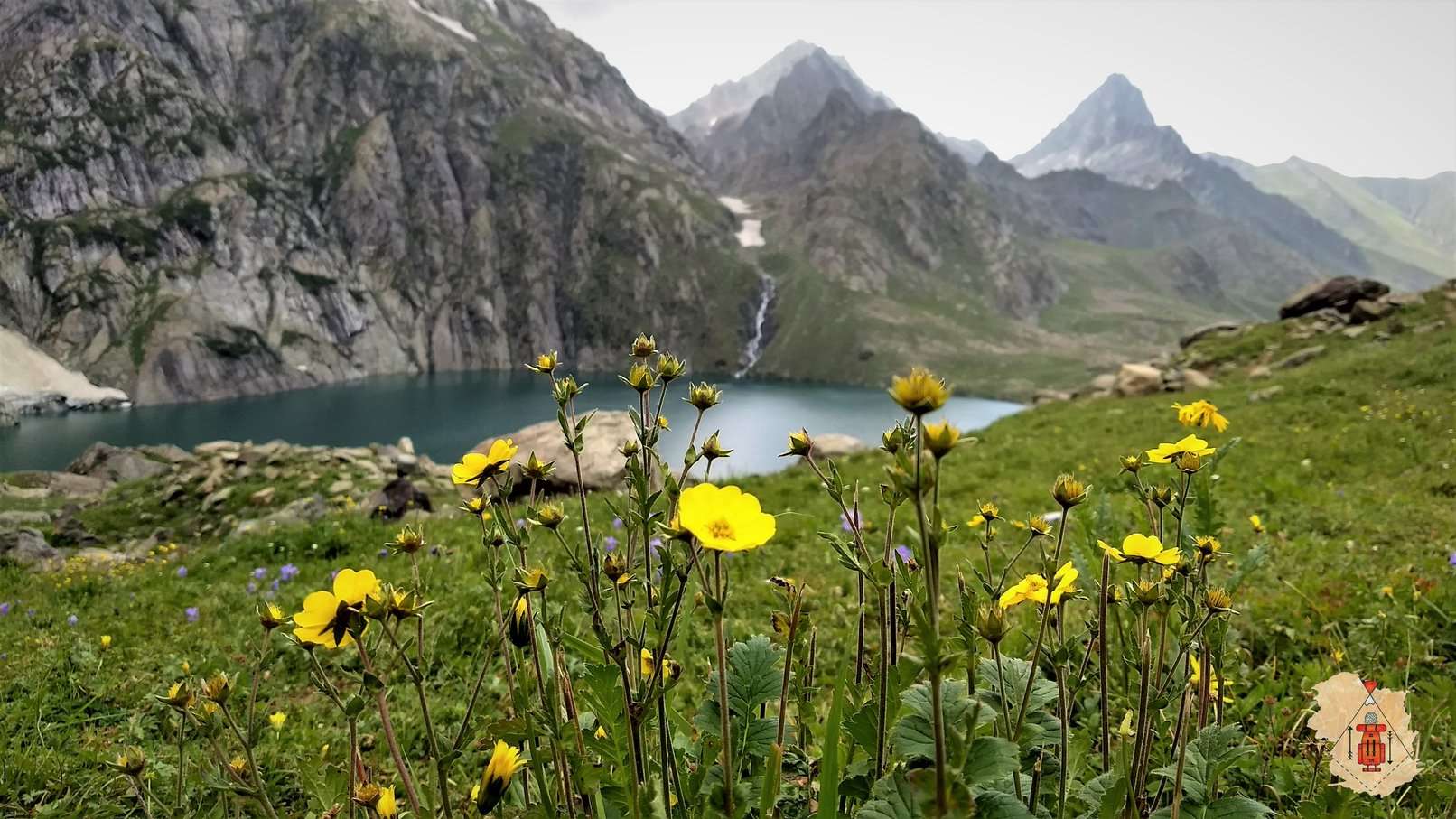
Cocooned in the divine landscape of Kashmir, commonly referred to as ‘heaven on Earth’, the Kashmir Great Lakes trek is by far the most beautiful one in India. A trek that revolves around not one, not two, but a total of five alpine lakes. That is more than what most treks can boast. Before you’ve
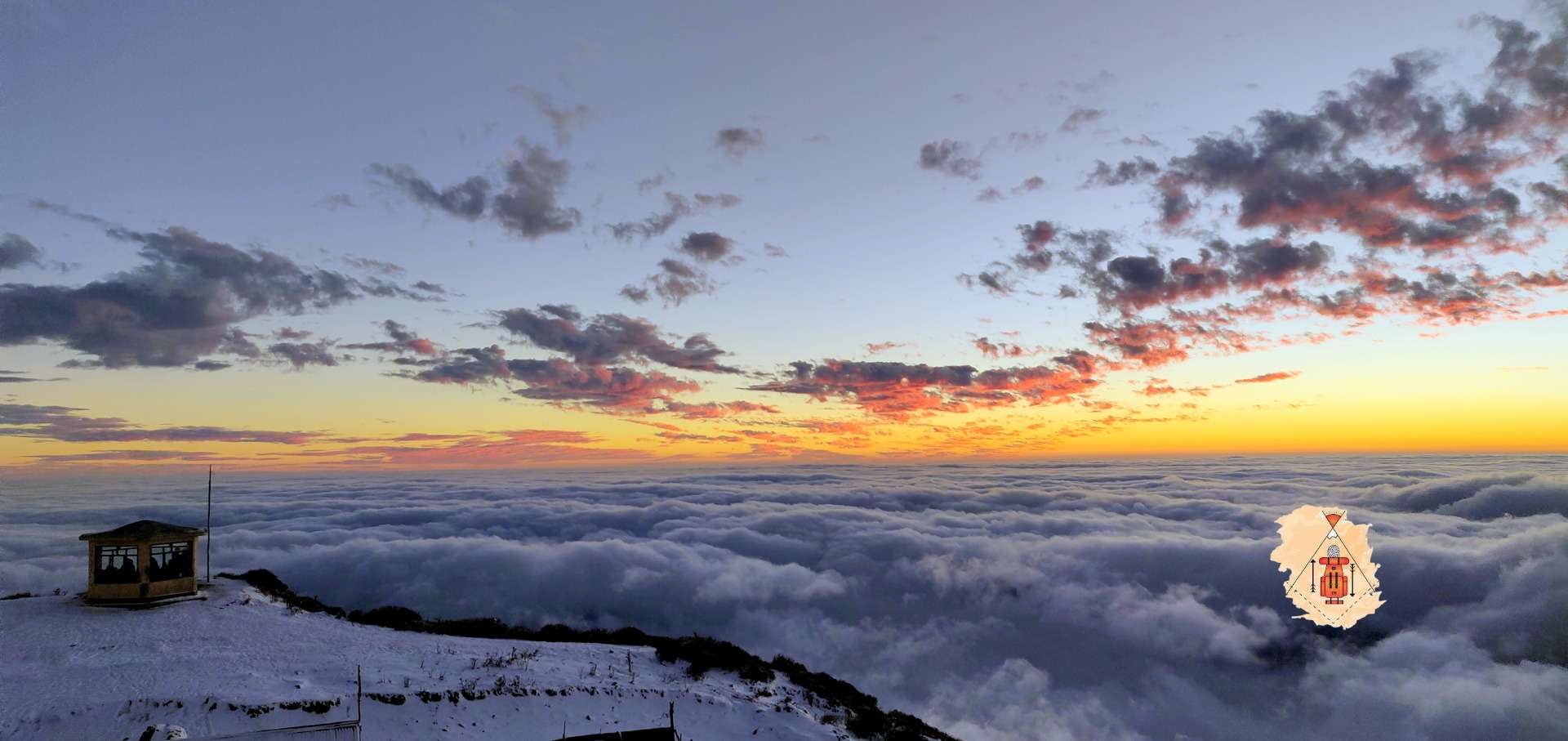
Sandakphu, rightly nicknamed as 'a trekker's delight', is the highest peak in West Bengal. It is truly one of a kind, and so mesmerizing that words cannot do justice to it. Yet, try we will.
Excited about your upcoming Himalayan trek? Don't trek the threat of Acute Mountain Sickness dampens the high. While it is quite common to experience AMS at high altitudes if not properly , there are a few things that can reduce the chances of your getting sick.
COVID-19 has left us all weary. With the country shutting down for months it’s no surprise that everyone is missing going out to different places. People are going jobless and there’s no assurance
It is a constant-can't live indoor-can't live outdoors struggle and we, being a part of the adventure thirsty tribe, are the ones suffering the most.